
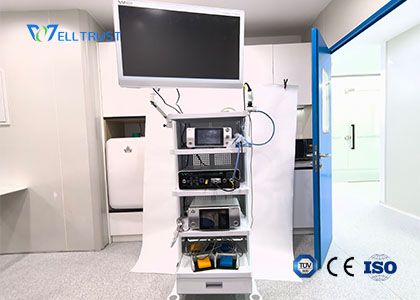
Choosing an arthroscopy equipment system requires more than selecting a console or camera individually. A practical configuration may combine a shaver system, radiofrequency system, endoscopy camera system, irrigation equipment, cannulas and related instruments. Hospitals, medical device distributors and professional buyers should evaluate the complete configuration according to the intended workflow, component compatibility, technical documentation and replacement requirements.
This guide explains the role of each major equipment group and provides a purchasing checklist for buyers comparing arthroscopy equipment suppliers. The product categories and related pages referenced below are from the WELLTRUST arthroscopy product range. Exact specifications, connections and configurations should be confirmed for the selected model before ordering.
An arthroscopy equipment system is a group of devices and accessories used to support visualization, tissue management, fluid management and instrument access during an arthroscopic workflow. Depending on the facility and procedure requirements, the configuration may include:
The most important purchasing principle is compatibility. A component should not be assumed to fit another system simply because it has a similar name, diameter or appearance. The interface, connection, control method and applicable documentation should be checked as a complete configuration.
An arthroscopy shaver system may include a console, motorized handpiece, speed controls, shaver blades and suction connections. It is used to support documented tissue resection and debridement workflows in arthroscopy. The selected configuration should be reviewed as a combination of console, handpiece, blade and control method rather than as a single product.
WELLTRUST provides an arthroscopic shaver system category and related product pages for the arthroscopy shaver, arthroscopy shaver system and disposable arthroscopy shaver blade. Buyers should state the required blade diameter, working length, handpiece interface, cutting mode and expected quantity when requesting product information.
An RF system may include a generator and compatible probes designed for documented radiofrequency procedures. The configuration should be selected according to the required probe interface, output requirements, control method and product documentation.
The WELLTRUST Plasma RF Surgical System category includes related RF generator, ablator and radiofrequency system products. When comparing RF systems, buyers should confirm the generator model, probe connection, available probe configurations, suction requirements and market-specific documentation.
The endoscopy system provides the visualization component of the arthroscopy setup. Depending on the configuration, it may include a camera, light source, monitor and compatible endoscope or scope components. The relevant selection criteria include image format, camera connection, light source, monitor output, image documentation and compatibility with the facility’s existing equipment.
WELLTRUST’s Endoscopy System category includes FHD and 4K UHD endoscopy camera system options, rigid endoscope products and camera heads. The AGM W100 Wireless Endoscope Camera System provides a separate model-specific reference for buyers evaluating a wireless image documentation configuration.
Fluid management equipment may include an irrigation pump, suction pathway, tubing and compatible cannulas. Before ordering, buyers should confirm the required pump configuration, tubing connections, control method, disposable components and relationship with the selected cannula and operating-room setup.
WELLTRUST provides a Medical Irrigation Pump category and related medical irrigator and arthroscopy pump pages. For a quotation, specify whether the requirement is for an irrigation pump, suction-irrigation device, tubing, cannulas or a combined fluid-management configuration.
Cannulas and supporting instruments connect the equipment system to the broader arthroscopy workflow. Buyers should check cannula diameter, length, valve or access design, compatibility with the intended instruments and whether the component is disposable or reusable according to its documentation.
For the related instrument range, see the Arthroscopic Instruments category and the Disposable Arthroscopy Cannulas category.
| Equipment group | What to confirm | Why it matters for procurement |
|---|---|---|
| Shaver system | Console, handpiece, speed range, cutting modes, blade diameters, working lengths and interface. | Determines whether the console, handpiece and blades can be ordered and used as one compatible configuration. |
| RF system | Generator model, probe connection, output requirements, probe options and suction configuration. | Prevents mismatches between the generator and RF accessories. |
| Endoscopy system | Camera, light source, monitor, image format, scope connection and documentation output. | Clarifies the visualization and image-recording configuration required by the facility. |
| Irrigation and suction | Pump type, tubing, connectors, flow-control method, suction pathway and disposable parts. | Helps buyers order the pump and fluid-management accessories as a complete set. |
| Cannulas and instruments | Diameter, length, access design, instrument compatibility and reusable or disposable status. | Supports the connection between the equipment setup and the required instruments. |
A detailed quotation request helps a medical device supplier understand the required configuration. Include the following information:
WELLTRUST buyers can begin with the Arthroscopic Machine category and then review the relevant shaver, RF, endoscopy and irrigation pages. The more specific the equipment and compatibility information in the inquiry, the easier it is to review a suitable configuration.
A configuration may include a shaver system, RF system, endoscopy camera system, irrigation equipment, cannulas and related instruments. The exact combination depends on the intended workflow, existing equipment and confirmed compatibility.
No. A shaver system is one equipment group within a broader arthroscopy setup. A complete configuration may also require visualization, RF, irrigation, cannulas and supporting instruments.
Buyers should confirm the handpiece and blade interface, RF generator and probe connection, camera and scope connection, irrigation tubing, cannula dimensions, power requirements and reusable or disposable status. Compatibility should be confirmed with the supplier before ordering.
State the required system components, intended workflow, preferred specifications, disposable or reusable requirements, target market, documentation needs, quantities and delivery requirements. Include existing equipment models when replacement or integration is required.
WELLTRUST provides product categories covering arthroscopy shaver systems, RF systems, endoscopy systems, irrigation equipment, cannulas and arthroscopic instruments. Buyers should provide the required equipment groups, specifications and compatibility information so the requested configuration can be reviewed.
Selecting an arthroscopy equipment system requires a complete view of visualization, tissue management, RF equipment, fluid management, access components and supporting instruments. The most important checks are compatibility, dimensions, connections, reusable or disposable status, documentation and replacement requirements.
For B2B buyers, distributors and hospital procurement teams, a structured equipment checklist is more useful than choosing individual products by name alone. Review the relevant WELLTRUST categories, prepare the required technical information and confirm the complete configuration before placing an order.
